
What Is Pleural Mesothelioma?
Mesothelioma is an aggressive cancer that forms tumors on the lining around the lungs, abdomen, heart or testes. Pleural mesothelioma specifically affects the lining around lungs called the pleura. Pleural cases account for 80% to 85% of all mesothelioma diagnoses, according to Lung Cancer International.
Mesothelioma incidence rose through the 1980s, peaking between 1990 and 1993. Rates then plateaued and drifted downward through the 2000s. A secondary peak around 2011 reflected peak industrial asbestos use in the 1960s and 1970s, since the disease can take decades to develop from initial exposure. Cases have declined since 2011, but doctors still diagnose roughly 3,000 people in the U.S. each year.
Military veterans, tradespeople, construction workers and industrial workers have particularly high rates of mesothelioma. Men over 65 make up the majority of cases and the median age at diagnosis is 72.
Symptoms can take 20 to 60 years to appear after initial asbestos exposure. This long latency period explains why many patients diagnosed today trace their exposure back to the 1960s or 1970s. It also means patients don’t always connect their illness to past asbestos exposure. Anyone with an asbestos exposure history, even decades old, should consult an attorney.
Cell Types: Epithelioid, Sarcomatoid and Biphasic
A biopsy determines the cell type of pleural mesothelioma, which directly affects treatment planning and prognosis. Epithelioid is the most common mesothelioma cell type, appearing in 60% to 70% of cases. It responds better to treatment and has the best prognosis. Sarcomatoid cells appear in 10% to 20% of cases. This type spreads most aggressively and has the poorest prognosis. Biphasic mesothelioma contains both cell types and accounts for 20% to 30% of cases. Its prognosis depends on which cell type dominates.
How Asbestos Causes Pleural Mesothelioma
Asbestos exposure is the primary cause of pleural mesothelioma. When someone inhales or swallows asbestos fibers, those fibers penetrate tissue and become lodged in the pleura. This triggers a chain of biological events that can eventually produce cancer.
Asbestos is a mineral that resists breakdown. That stability made it valuable for military and industrial applications. It resists fire and prevents corrosion from salt water and chemicals. But this also makes it dangerous to human health.
Asbestos fibers that are long, thin, sharp and microscopic. People can’t see, feel or smell them in the air. Asbestos comes in two main fiber types. Chrysotile, or white asbestos, is the most common type in the U.S. Amphibole fibers, including amosite and crocidolite, are rarer but researchers consider them the most carcinogenic.
Immune cells in the body try to break down the asbestos fibers but inflammation continues. Over time, it damages tissue and can cause asbestosis, a chronic lung disease where scar tissue stiffens the lungs and makes breathing difficult, or cell mutations that lead to cancer.
Risk Factors for Pleural Mesothelioma
Asbestos exposure is the primary risk factor for pleural mesothelioma. More than 80% of patients have a history of asbestos exposure. Occupational asbestos exposure accounts for most cases. According to a journal published in the American Thoracic Society, 1.3 million workers currently face risk from workplace asbestos exposure. Asbestos isn’t completely banned in the U.S.
Families of workers also face risk through secondary asbestos exposure. Asbestos fibers travel home on a worker’s clothing or hair and become airborne indoors. According to OSHA, no safe level of asbestos exposure exists. Any exposure carries disease risk, though longer or higher-level exposure increases that risk.
Brief but intense exposure can raise the risk of pleural mesothelioma. For example, when the World Trade Center collapsed in 2001, a massive amount of asbestos became airborne. Many people, including first responders and those nearby, inhaled significant amounts. Researchers believe this increased their risk for asbestos-related diseases, including mesothelioma.
Symptoms of Pleural Mesothelioma
Pleural mesothelioma symptoms develop slowly and often don’t appear until decades after asbestos exposure. Many people mistake early symptoms for less serious conditions. This delay means doctors frequently miss the disease until it reaches an advanced stage. Anyone with a history of asbestos exposure should discuss their history with their doctor even before any symptoms arise.
Early Symptoms
Early symptoms are often mild. Pleural effusion, a buildup of fluid around the lung, causes most of them. Pleural effusion appears in up to 90% of patients at diagnosis and often produces the first noticeable signs of disease.
Early Mesothelioma Symptoms
- Chest pain or tightness, usually on one side
- Fatigue
- Low-grade fever
- Persistent dry or painful cough
- Shortness of breath (dyspnea), often the first symptom to appear
Doctors frequently mistake these symptoms for pneumonia, COPD or heart disease. This initial misdiagnosis can delay treatment and allow the disease to progress.
Advanced Symptoms
As pleural mesothelioma progresses, symptoms become more severe. Patients often describe this stage as the point where daily life gets significantly harder to manage.
Advanced Mesothelioma Symptoms
- Difficulty swallowing (dysphagia)
- Night sweats
- Severe chest wall pain
- Significant unexplained weight loss
- Swelling of the face or arms
- Worsening shortness of breath as pleural effusion increases
Because symptoms closely mimic other respiratory diseases, doctors often don’t catch pleural mesothelioma until Stage 3 or 4. Anyone with an asbestos exposure history should ask their doctor about mesothelioma screenings to help catch signs of disease early.
Get a Free Case ReviewDiagnosis and Stages
A pleural mesothelioma diagnosis requires multiple tests. Symptoms alone don’t confirm the disease and doctors must rule out other conditions before reaching a conclusion. Early and accurate diagnosis gives patients the best chance at accessing the widest range of treatment options.
How Is Pleural Mesothelioma Diagnosed?
Doctors typically begin with imaging tests before moving to more invasive procedures. This step-by-step approach helps them build a clearer picture of the disease before recommending next steps.
What to Expect During the Diagnostic Process
- Chest X-ray: which doctors use initially to check for conditions like pneumonia or fluid around the lungs.
- CT scan: a more detailed imaging study that helps doctors locate the cancer and assess how far it has spread.
- PET scan: which shows whether the cancer has spread to lymph nodes or other areas of the body.
- Biopsy: which requires a minor surgical procedure to remove a small tissue sample; a pathologist then examines the tissue under a microscope to confirm whether cells are cancerous and identify the specific cancer type.
- Blood biomarker tests measuring mesothelin (SMRP) and fibulin-3: which may show elevated levels in pleural mesothelioma patients; doctors use these as supplementary tools, not as standalone diagnostic tests.
Pathologists experienced with mesothelioma must review the biopsy results. General pathologists can misdiagnose pleural mesothelioma as lung cancer or other pleural disease. Patients should seek a second opinion at a mesothelioma center of excellence to confirm their diagnosis.
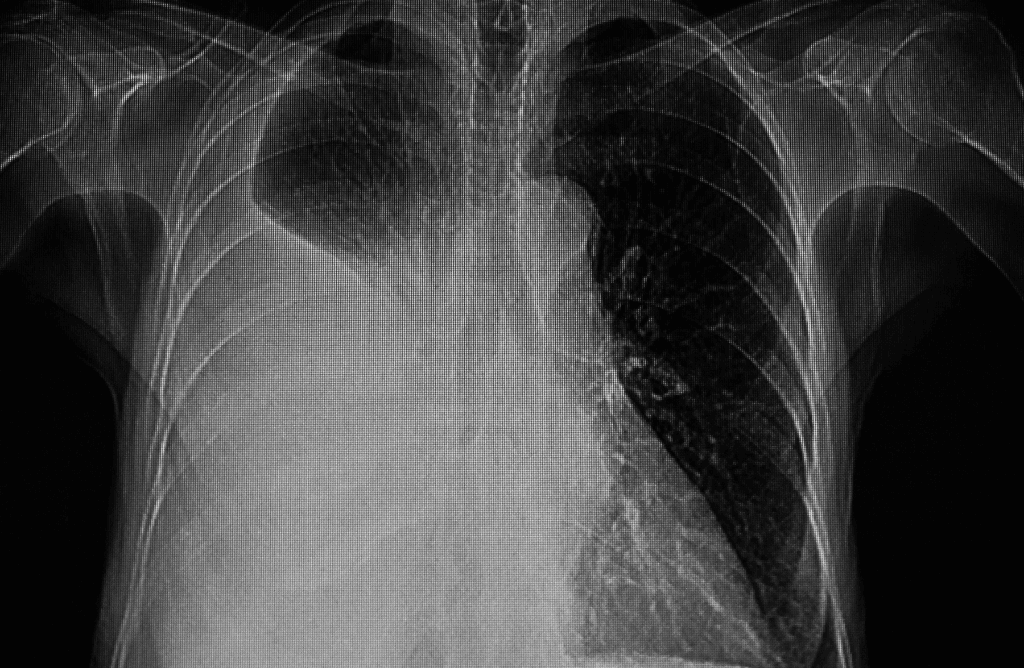
Stages of Pleural Mesothelioma
Staging tells doctors how far the cancer has spread and guides treatment planning. Doctors use the AJCC/TNM staging system for pleural mesothelioma, with stages running from 1 to 4. Higher numbers indicate more advanced disease. Approximately 75% of patients receive a Stage 3 or 4 diagnosis, largely because early symptoms are mild and nonspecific. Doctors determine staging through imaging such as CT and PET scans, video-assisted thoracoscopic surgery and pathology results.
Overview of the Four Stages
- Stage 1: Cancer remains on one side of the pleura and hasn’t spread to lymph nodes. Patients at this stage have a median survival of approximately 21 months.
- Stage 2: Cancer spreads to lung tissue, the diaphragm or the pericardium. Lymph node involvement may occur. Median survival at this stage is approximately 19 months.
- Stage 3: Cancer spreads to nearby structures including the chest wall, opposite pleura or mediastinum. Lymph node involvement is common. Median survival at this stage is approximately 16 months.
- Stage 4: Cancer spreads to distant organs. Surgery isn’t an option at this stage. Median survival is approximately 12 months.
While the prognosis in later stages is generally poor, advances in mesothelioma treatment are improving outcomes. In addition to enhancements in traditional therapies, clinical trials are helping researchers develop new approaches and medications.
Treatment Options for Pleural Mesothelioma
Doctors rarely treat pleural mesothelioma with a single approach. Most patients receive a combination of treatments, which research shows improves survival. The right combination depends on the stage of the disease, the cell type and the patient’s overall health. The NCCN guidelines (Version 2.2026) set the current standard framework for treatment recommendations.
Tumor-Removing Surgery
Surgery aims to remove as much cancer tissue as possible. Surgeons may also remove adjacent healthy tissue to reduce the chances of recurrence. Two main procedures treat pleural mesothelioma.
Extrapleural pneumonectomy is the more invasive option. The surgeon removes the pleura, part of the diaphragm, the pericardium and sometimes other tissues on the affected side. The goal is to remove as many cancer cells as possible.
Pleurectomy/decortication is less invasive than EPP but still a major surgery. The surgeon removes the pleura on the affected side and then removes any visible tumor tissue from the thoracic cavity. Surgeons increasingly prefer P/D over EPP.
To qualify for surgery, patients need to be in a relatively early stage and in good general health. Patients with the higher-risk sarcomatoid cell type often don’t qualify for surgical treatment.
Chemotherapy
Chemotherapy uses medication to target and destroy cancer cells. For patients who don’t qualify for surgery, chemo often serves as the primary treatment. Doctors also give it before, after or during surgery.
- Adjuvant chemotherapy is systemic chemo given after surgery to reduce the chances of recurrence.
- Neoadjuvant chemotherapy is systemic chemo given before surgery to shrink the tumor and make it easier to remove.
- Hyperthermic intrathoracic chemotherapy is less common and still under study It involves a warmed chemo wash of the chest cavity after tumor-removing surgery.
Most commonly, doctors deliver chemo throughout the whole body through an IV, which doctors call systemic chemo. HITHOC, however, delivers it directly into the thoracic cavity during a surgical procedure. A World Journal of Surgical Oncology article indicates HITHOC can extend survival several months, though researchers need to study it further.
Chemo for pleural mesothelioma almost always combines Alimta (pemetrexed) and cisplatin. The Journal of Clinical Oncology reports that using both together produces better results than using either alone. For patients who experience significant side effects from cisplatin, doctors sometimes substitute carboplatin.
Radiation Therapy
Radiation therapy uses energy to target and destroy cancer cells. Doctors give it before or after surgery. The standard approach for pleural mesothelioma is external beam radiation therapy, which aims multiple radiation beams at the tumor from different angles. The beams cross at the tumor site, delivering a high dose to cancer cells while limiting exposure to surrounding tissue.
Intensity-modulated radiation therapy is a specific type of EBRT that uses computer software to control radiation doses to specific tissues with precision. This technology reduces side effects and increases treatment effectiveness.
Immunotherapy
Immunotherapy activates the body’s own immune system to find and destroy cancer cells. Cancer cells often alter certain proteins to avoid detection. Immunotherapy agents restore those proteins, allowing the immune system to identify and attack cancer cells.
FDA-approved immunotherapy is now a firstline treatment option for pleural mesothelioma. Keytruda (pembrolizumab) alone and a combination of Opdivo (nivolumab) and Yervoy (ipilimumab) have shown significant success for pleural patients.
In September 2024, the FDA approved a significant new first-line treatment option: Keytruda (pembrolizumab) combined with Alimta (pemetrexed) and platinum chemo for patients with unresectable pleural mesothelioma. This approval marked a major step forward in treatment for patients who don’t qualify for surgery.
Tumor Treating Fields
Tumor Treating Fields, delivered through the Optune Lua device, received FDA approval in 2019 as an adjunct to chemo for unresectable pleural mesothelioma. TTFields uses electric fields to disrupt cancer cell division. Patients wear the device while continuing their chemo regimen.
Palliative Care
Palliative care is for all patients at any stage of treatment. It reduces symptoms and improves quality of life.
Palliative Treatments for Pleural Mesothelioma
- Chemotherapy or radiation therapy to shrink tumors causing significant symptoms
- Medications to manage symptoms such as pain and nausea
- Procedures to improve comfort, such as thoracocentesis to drain fluid from around the lungs
- Tumor-removing surgery targeting specific tumors that cause significant symptoms; surgeons won’t attempt to remove all cancer in this context, so the procedure is generally less invasive than life-extending surgery
For patients who don’t qualify for more aggressive treatments or who are in end stage disease, palliative care can ease discomfort. It can play a critical role within supportive care for patients.
Clinical Trials
Patients who haven’t responded to first-line treatment should ask their oncologist about clinical trials. Trials test new approaches that may improve outcomes for patients with limited options. This can open possibilities to try new medications or advancements in existing treatments. Your mesothelioma doctor can help you determine what trials you may qualify for and how to enroll.
Prognosis and Life Expectancy
A pleural mesothelioma prognosis depends on several factors, including the stage at diagnosis, cell type and the patient’s overall health. While the overall outlook remains serious, some patients live significantly longer than median survival figures suggest. Early diagnosis and access to a mesothelioma specialist both make a meaningful difference in outcomes.
Survival Rates
The American Cancer Society reports an overall five year survival rate of 12% for pleural mesothelioma. A 20-year analysis published in Translational Oncology breaks survival rates down further.
- One year survival rate: 73.1%
- Three year survival rate: 22.9%
- Five year survival rate: 12%
- Ten year survival rate: 4.7%
Overall median survival ranges from 12 to 21 months depending on stage. Early-stage diagnosis significantly improves outcomes. Stage 1 patients have a median survival of approximately 21 months, compared to approximately 12 months for Stage 4 patients.
Factors That Affect Prognosis
Several factors influence how long a person diagnosed with pleural mesothelioma lives after diagnosis. Patients with favorable factors often outlive median survival estimates by a significant margin.
Key Factors That May Affect Prognosis
- Access to a specialist: Patients who seek care at experienced mesothelioma centers achieve better outcomes than those who see general oncologists
- Age and overall health: Younger, healthier patients tolerate aggressive treatment better and typically respond more favorably
- Cell type: Epithelioid cell type has the most favorable prognosis; sarcomatoid has the least favorable; biphasic depends on which cell type is most dominate
- Gender: Women tend to achieve better outcomes than men
- Response to treatment: Patients who respond well to first-line chemo typically achieve better outcomes overall
- Stage at diagnosis: Earlier stage means longer survival and more treatment options
Prognosis for mesothelioma is serious. but statistics describe populations, not individuals. A prognosis represents a statistical estimate, not a certainty. Many patients live well beyond initial estimates, especially those whose disease is caught early and who respond well to treatment.
Pleural Mesothelioma Legal Options
Video
What are the Legal Options for Pleural Mesothelioma Patients?

In the United States of America, it’s a widely held view that the only cause of pleural mesothelioma is asbestos exposure.
In most states in this country, you can bring a mesothelioma lawsuit against the manufacturers of asbestos-containing products.
It may not only be the manufacturers; it could be suppliers, wholesalers, retailers, or companies who used asbestos on the job site.
But in general, if you’ve been diagnosed with pleural mesothelioma, our firm can help. We can file a case for you. We can file trust claims with a bankruptcy trust for you. That’s what we’re here to do, so please give us a call.
Companies that exposed workers to asbestos often knew the risks and failed to warn workers or the public. That negligence gives people diagnosed with pleural mesothelioma the right to seek financial compensation. Meirowitz & Wasserberg has handled more than 2,000 mesothelioma cases, including cases that other firms declined to take. Our attorneys understand this cancer because they’ve spent careers fighting for the people who have it.
Compensation won’t undo the harm asbestos exposure causes, but it can relieve the financial burden a mesothelioma diagnosis places on patients and their families. Our attorneys work on a contingency basis, you pay nothing unless we recover compensation for you. We’re available 24/7 to review your case at no cost.
We've represented more than 2,000 mesothelioma clients, including workers exposed in shipyards, refineries and construction sites, as well as veterans and their family members. Pleural mesothelioma cases require a thorough investigation of your asbestos exposure history, which our team has conducted hundreds of times. We work on a contingency basis — you pay nothing unless we recover compensation for you.
Types of Compensation Available
People diagnosed with pleural mesothelioma may have access to several types of compensation. The right path depends on the circumstances of their asbestos exposure.
- Asbestos trust funds: Asbestos manufacturers set aside more than $30 billion in bankruptcy trust funds to compensate people they harmed. Patients often file these claims quickly without going to court.
- Mesothelioma lawsuits: If the responsible company still operates, a personal injury lawsuit can result in significant verdicts or settlements. The lawsuit accuses the company of negligence for knowingly exposing workers to asbestos.
- Mesothelioma lawsuit after death: Families of patients who have passed away can pursue wrongful death claims to seek compensation for their loss.
- VA benefits: Veterans diagnosed with mesothelioma from military asbestos exposure may qualify for VA disability compensation and healthcare.
Many patients qualify for more than one of these options, and claims can often be pursued at the same time. An experienced mesothelioma attorney can identify the right path based on the specifics of the exposure and help move quickly, since some claims have filing deadlines.
Veterans with Pleural Mesothelioma
The U.S. military was one of the largest users of asbestos, particularly in Navy vessels, barracks and military vehicles. Veterans diagnosed with pleural mesothelioma may qualify for both VA benefits and a civil lawsuit against asbestos manufacturers. These are separate claims and don’t conflict with each other. Meirowitz & Wasserberg has represented many veterans with mesothelioma and understands the unique exposure history documentation their cases require.
SPEAK WITH OUR LAWYERS NOWFrequently Asked Questions
What is the life expectancy of someone with pleural mesothelioma?
The median life expectancy for pleural mesothelioma runs approximately 12 to 21 months after diagnosis, depending on the stage. Stage 1 patients have a median survival of around 21 months, while Stage 4 patients average approximately 12 months. Some patients live significantly longer, particularly those with epithelioid cell type, an early-stage diagnosis and access to multimodal treatment at a mesothelioma specialty center.
Is pleural mesothelioma curable?
Doctors don’t currently consider pleural mesothelioma curable. However, surgery, chemo, radiation and immunotherapy can all extend life and improve quality of life. A small number of patients with early-stage epithelioid pleural mesothelioma who pursue aggressive surgical treatment have achieved long-term remission. Ongoing clinical trials continue to test new approaches that may improve outcomes.
What are the first signs of pleural mesothelioma?
The earliest symptoms are often mild and nonspecific: shortness of breath, a persistent cough and chest pain or tightness on one side. Pleural effusion, a buildup of fluid around the lung, causes most early symptoms. Because these signs mimic pneumonia, COPD and other respiratory conditions, doctors rarely catch pleural mesothelioma early. Anyone with an asbestos exposure history who develops respiratory symptoms should mention that history to their doctor right away.
What is the best treatment for pleural mesothelioma?
Treatment depends on the patient’s stage, cell type and overall health. For eligible patients, a multimodal approach combining surgery (pleurectomy/decortication), chemo (pemetrexed/Alimta + cisplatin) and radiation offers the best outcomes. In 2024, the FDA approved Keytruda (pembrolizumab) combined with chemotherapy as a first-line option for unresectable pleural mesothelioma. Doctors also use immunotherapy combinations such as Opdivo (nivolumab) and Yervoy (ipilimumab). A mesothelioma specialist should guide all treatment decisions.
What is the difference between pleural and peritoneal mesothelioma?
Pleural mesothelioma develops in the lining of the lungs and accounts for 80% to 85% of all mesothelioma cases. Peritoneal mesothelioma develops in the lining of the abdomen and accounts for about 15% to 20% of cases. The two types produce different symptoms, use different staging systems and require different treatment approaches, though asbestos exposure primarily causes both.
Does pleural mesothelioma qualify for legal compensation?
Yes. Most people diagnosed with pleural mesothelioma qualify for legal compensation through asbestos trust funds, a mesothelioma lawsuit or, for veterans, VA benefits. These claims don’t interfere with medical treatment decisions and patients can pursue them at any stage of illness. Compensation can cover medical expenses, lost income and pain and suffering. Meirowitz & Wasserberg handles these cases on a contingency basis, meaning you pay nothing unless we recover compensation for you.
About The Author

Daniel Wasserberg
Founding Partner
Daniel Wasserberg, a founding partner of Meirowitz & Wasserberg, is a Best Lawyers-recognized and Super Lawyers-rated mesothelioma attorney with over 20 years of experience. Named a Top 100 Trial Lawyer and Top 10 Asbestos-Mesothelioma Lawyer, he leads the firm's national asbestos practice.